While Australia has the highest solar uptake in the world, there remains an untapped opportunity for many homeowners to store excess solar power for later use. If not used immediately, a large percentage of the energy produced by your solar panels may be sent back to the grid.
Thus, there is a shift towards total home energy solutions to use energy free from the sun at all times of the day. This also helps the grid transition from coal-fired power to renewables so it can effectively handle more solar, wind, and energy storage.
“The grid is struggling to deal with the increase in solar as it is designed to supply power to consumers. With the shift towards renewables, the grid now has to deal with excess solar in the middle of the day when the demand is low,” says Stephen. “Consumers are paid a feed-in tariff for any excess solar energy. However, these feed-in tariffs have been reducing due to the surge in excess solar.”
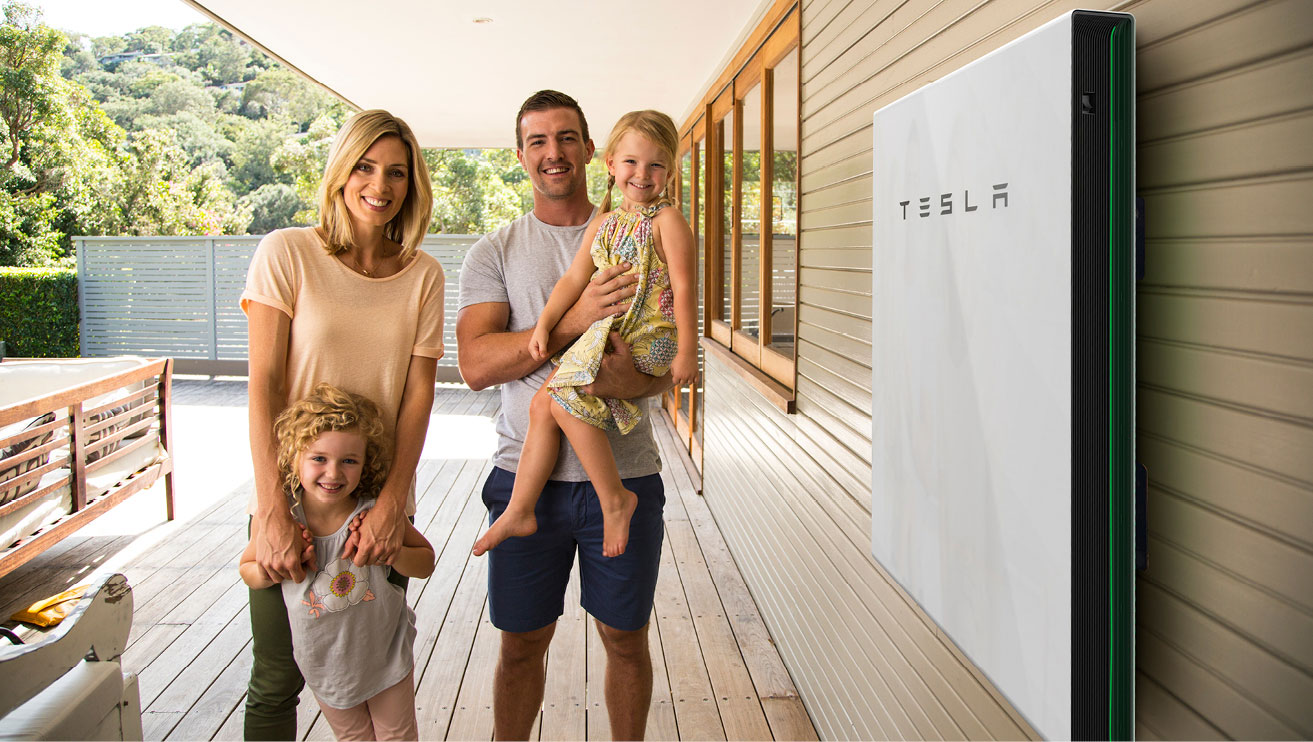
To solve this problem, consumers can store this excess energy for later use rather than send it back to the grid. In conjunction with your solar system, a home battery solution is another smart way to offset rising electricity costs as you can maximise solar energy usage and minimise reliance on the grid.
“As we become more electrified in the future, particularly with the uptake of EVs, it is a smart decision to use energy from the sun and reduce our grid energy consumption and energy costs,” said Stephen.
There is also an opportunity to use excess solar power to heat water. This type of storage solution can help you significantly reduce your hot water energy consumption, as you can draw on natural energy even when the sun isn’t shining.
Designed and built in Australia, Solahart PowerStore captures excess power from solar panels and uses it to heat water. Like a battery, it stores energy (in the form of hot water), only it’s a lot more affordable.